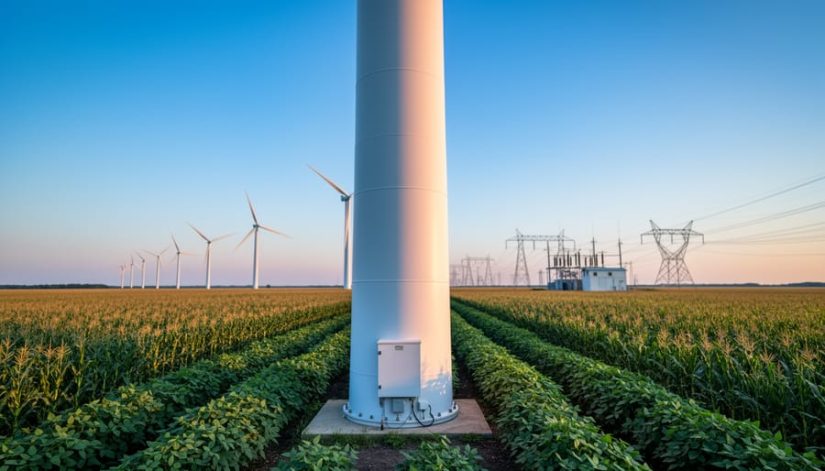
How Local Energy Storage Networks Are Making Decentralized Internet Reality in Illinois
The decentralized internet isn’t just a futuristic concept—it’s already taking shape in Illinois communities through innovative solar-powered mesh networks and distributed storage systems. As local energy grids evolve toward renewable sources, they’re creating the backbone for a more resilient, user-controlled internet infrastructure. Imagine accessing the web without relying on traditional ISPs, instead connecting through a network of solar-powered nodes that your community owns and operates.
For Illinois businesses and homeowners, this convergence of renewable energy and internet decentralization offers a compelling path to digital independence. Local solar installations are already proving that distributed power generation works; now, these same principles are being applied to create fault-tolerant internet networks that can operate even when traditional systems fail. Whether it’s during severe weather events or routine maintenance, a decentralized internet backed by solar power could ensure that Illinois residents maintain crucial connectivity.
The technology exists—from blockchain-secured data transmission to mesh network protocols—but the real innovation lies in how we’re implementing these solutions at the neighborhood level, starting with our existing solar infrastructure and building toward a more democratic digital future.
The Link Between Energy Storage and Internet Decentralization
Why Traditional Internet Infrastructure Falls Short
The current internet infrastructure, built on centralized systems, faces several critical challenges that affect reliability and accessibility. When major data centers or service providers experience outages, entire regions can lose internet access, disrupting both business operations and daily life. This centralized model also creates significant security vulnerabilities, making networks susceptible to cyber attacks and data breaches.
In Illinois, where severe weather events can impact traditional infrastructure, centralized internet systems are particularly vulnerable to disruptions. When storms damage key network components, entire communities can be left without connectivity. Additionally, the current system relies heavily on a few dominant service providers, limiting consumer choice and potentially affecting service quality and pricing.
The centralized nature of traditional internet infrastructure also raises privacy concerns, as user data is typically stored and controlled by large corporations. This concentration of data creates attractive targets for malicious actors and raises questions about data ownership and user privacy rights. Furthermore, the existing system struggles to efficiently handle the growing demand for bandwidth, especially in rural areas where infrastructure investment may be limited.

The Power-Internet Connection
A reliable power supply forms the backbone of any decentralized internet system. In Illinois, where our energy grid continues to evolve with increasing solar adoption and microgrid development, the foundation for decentralized internet becomes stronger. The connection between power and internet decentralization is straightforward – network nodes and servers need constant, stable electricity to maintain connectivity.
Local solar installations paired with battery storage systems create independent power sources that can keep decentralized internet nodes running even during grid outages. This independence is crucial for maintaining a truly decentralized network. Communities across Illinois are already demonstrating how distributed energy resources can support local networks, with some neighborhoods implementing solar-powered mesh networks that operate independently of traditional internet infrastructure.
The key to success lies in redundancy – multiple power sources feeding various network nodes ensure no single point of failure exists. As more Illinois residents and businesses adopt solar solutions with battery backup, they’re unknowingly building the groundwork for a more resilient, decentralized internet infrastructure. This symbiotic relationship between renewable energy and internet decentralization points to a future where both our power and connectivity are more democratic and reliable.
Illinois’s Decentralized Energy Storage Network

Solar Microgrids and Local Storage Solutions
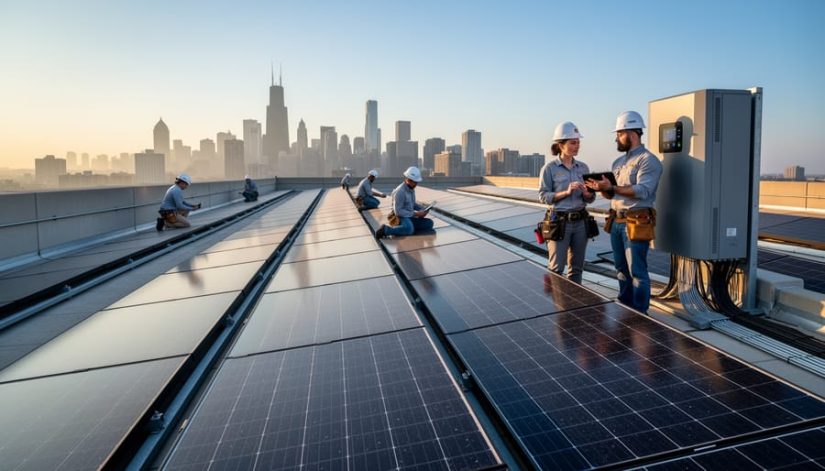
Solar microgrids and local energy storage solutions are becoming crucial components in building a resilient, decentralized internet infrastructure across Illinois. These systems combine solar panels, battery storage, and smart distribution networks to create independent power sources that can keep local networks running even when the main grid fails. As we’re seeing with microgrids transforming urban energy security, these installations provide the consistent power supply needed for maintaining local internet nodes and servers.
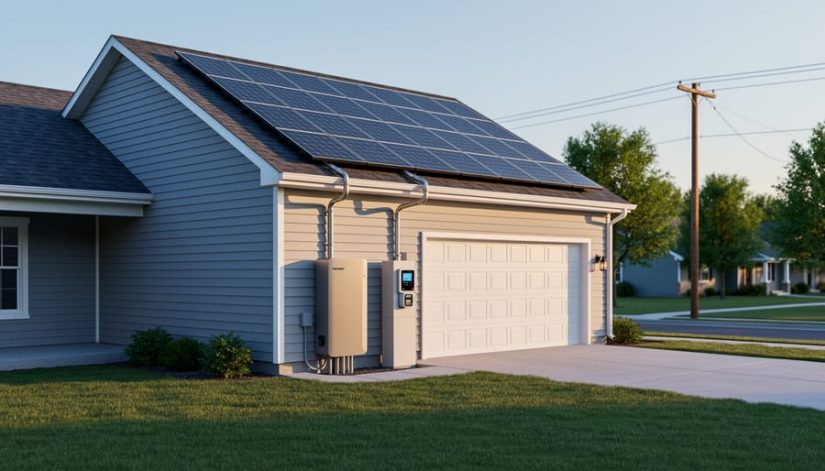
Local battery storage systems, particularly those utilizing lithium-ion technology, can store excess solar energy generated during peak sunlight hours for use during evenings or cloudy days. This ensures that decentralized internet infrastructure remains operational 24/7, regardless of weather conditions or grid status. In Illinois, where weather patterns can be unpredictable, this reliability is essential for maintaining constant connectivity.
Community-scale storage solutions are becoming increasingly popular, allowing neighborhoods to pool their energy resources and create robust power networks. These shared systems can support multiple internet nodes, creating redundancy and improving network resilience. When combined with smart energy management systems, these storage solutions can automatically prioritize critical infrastructure during power shortages, ensuring that essential communication services remain available even during extended outages.
For homeowners and businesses considering participation in decentralized internet networks, installing solar panels and battery storage systems represents both an investment in energy independence and network reliability. These systems typically pay for themselves through reduced energy costs while contributing to a more resilient local internet infrastructure.
Community-Based Power Networks
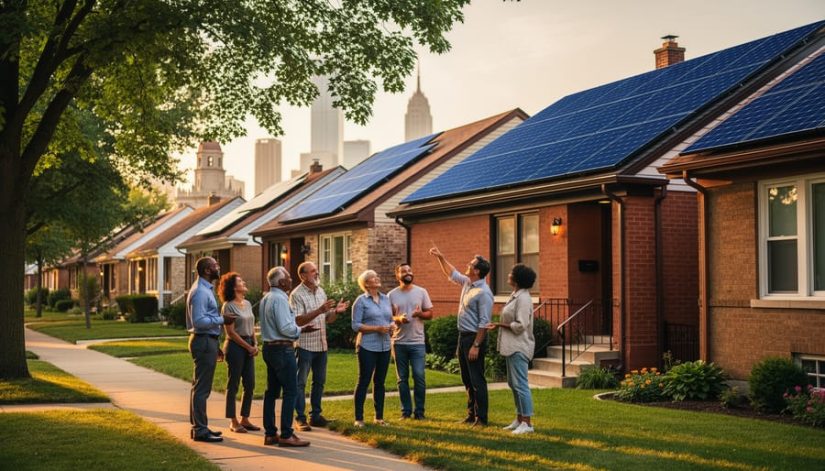
Communities across Illinois are pioneering neighborhood-based power networks that serve as the foundation for a more resilient and independent internet infrastructure. These microgrids connect homes and businesses through a local power distribution system, enabling shared energy resources and creating the backbone for decentralized communication networks.
Local power cooperatives are emerging where neighbors pool resources to install solar panels, battery storage systems, and smart grid technologies. These systems not only provide reliable power but also create the necessary infrastructure for maintaining local internet networks, even during larger grid outages.
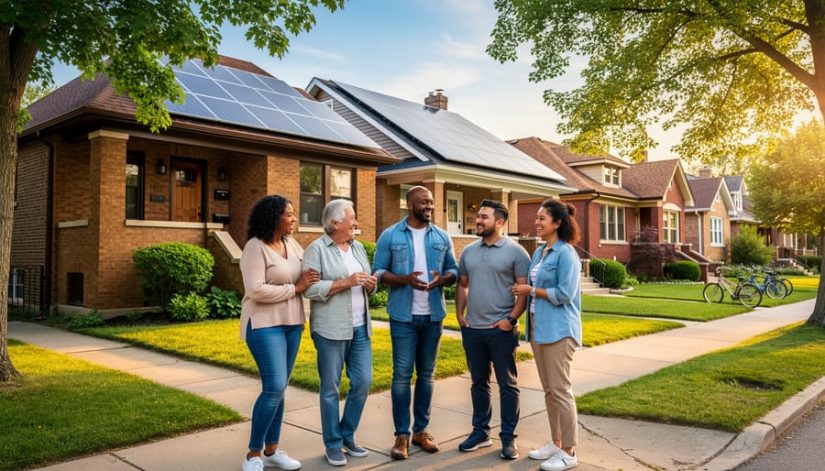
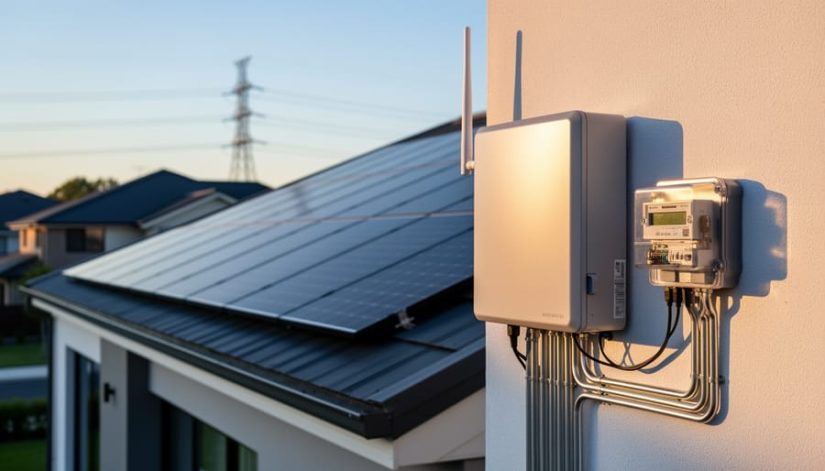
In suburban Chicago, several neighborhoods have successfully implemented these community power networks, with each home contributing to and drawing from a shared power pool. The systems utilize smart meters and automated load-balancing technology to ensure stable power delivery, which is crucial for maintaining consistent internet connectivity.
These neighborhood grids typically incorporate multiple power sources, including rooftop solar installations, small wind turbines, and backup generators. The diversity of power sources increases reliability and reduces dependency on the main power grid. Many communities are also installing underground power lines to protect against weather-related disruptions.
The success of these networks demonstrates how local communities can take control of both their power and internet infrastructure, creating more resilient and independent systems that benefit all residents. As more neighborhoods adopt this model, we’re seeing the emergence of a truly decentralized approach to power and internet connectivity.
Building the Foundation for Decentralized Internet
Local Data Centers and Edge Computing
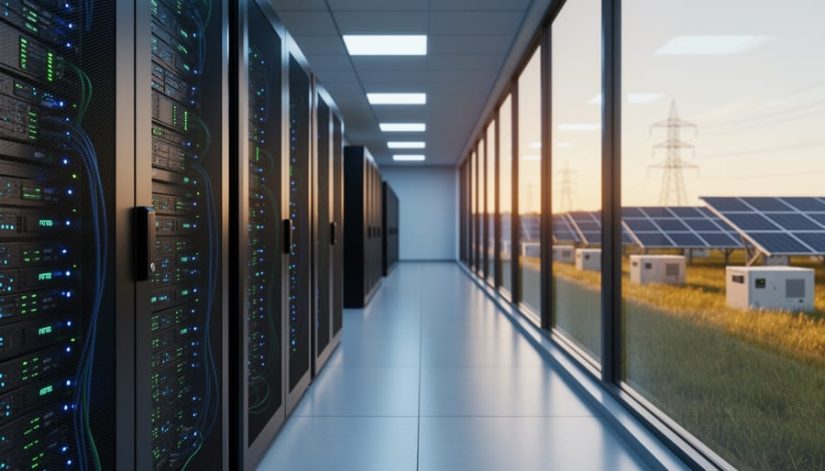
Local data centers and edge computing form the backbone of a decentralized internet infrastructure, bringing processing power and data storage closer to end users. In Illinois, we’re seeing a growing network of smaller, distributed data centers that serve local communities rather than relying on massive centralized facilities hundreds of miles away. These local centers reduce latency and provide more reliable internet access while supporting the principles of internet decentralization.
Edge computing complements this distributed architecture by processing data near its source rather than sending it to distant servers. For example, when you use smart home devices or access local streaming services, edge computing helps process this data within your neighborhood’s network infrastructure. This local processing not only improves response times but also reduces the energy needed for data transmission.
The combination of local data centers and edge computing creates a more resilient internet infrastructure. If one center experiences issues, others in the network can maintain service continuity. This distributed approach also supports growing technologies like autonomous vehicles and smart city initiatives, which require rapid data processing and minimal latency.
For Illinois residents and businesses, this means more reliable internet service, better data security through distributed storage, and reduced energy consumption. Local ownership of these facilities also keeps economic benefits within our communities while ensuring greater control over data privacy and security.
Mesh Networks and Renewable Power
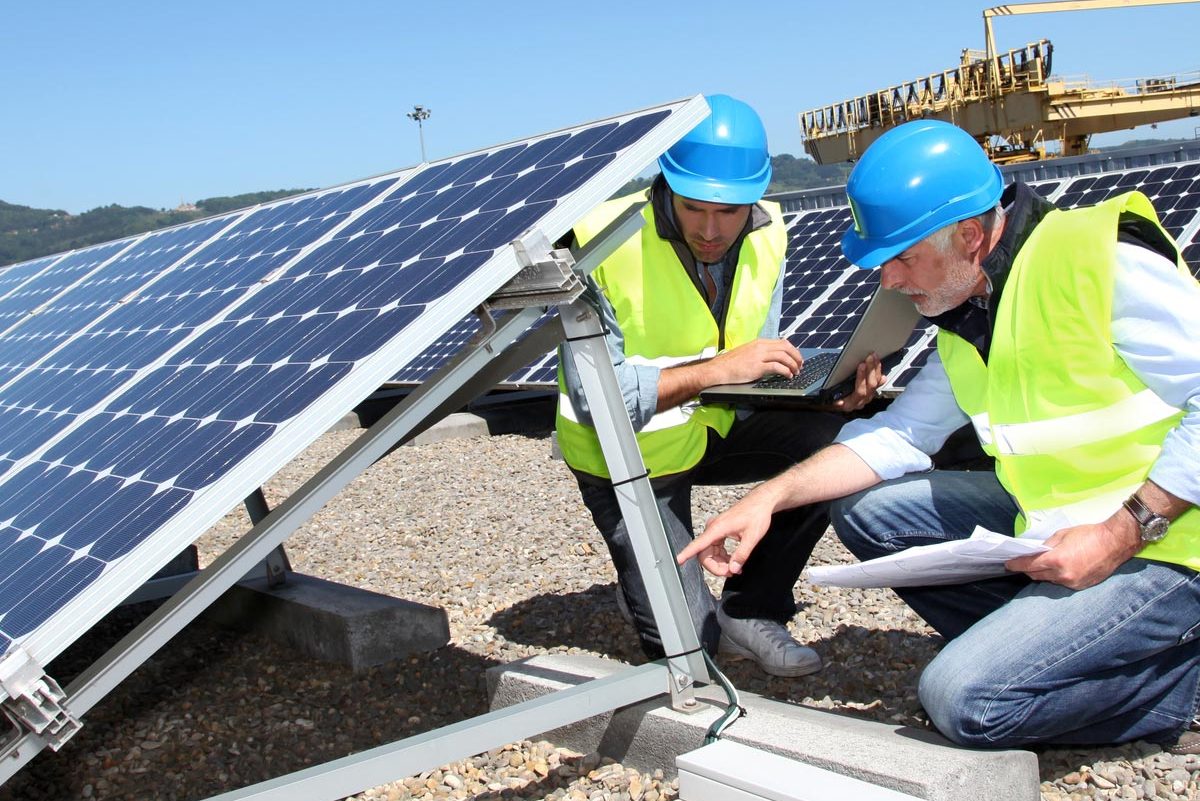
Renewable energy sources, particularly solar power, play a crucial role in making decentralized internet infrastructure possible and sustainable. In Illinois, where solar adoption continues to grow, mesh networks can operate independently from the traditional power grid by utilizing solar panels and battery storage systems. This independence ensures network reliability even during main grid outages.
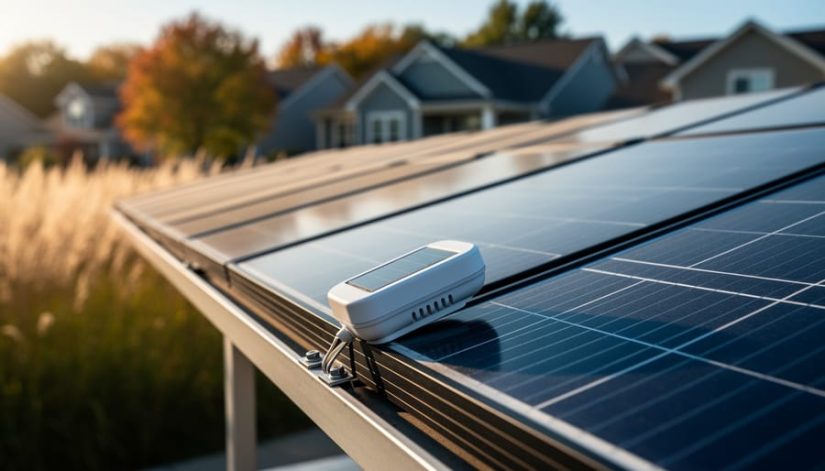
Solar-powered mesh nodes can be strategically placed throughout communities, creating a resilient network that doesn’t rely on centralized power sources. Each node typically requires only 10-30 watts of power, making them highly efficient and ideal for solar implementation. When combined with modern battery technology, these nodes can operate continuously, even during nighttime or cloudy conditions.
The integration of renewable energy with mesh networks offers particular benefits for Illinois communities. During severe weather events, when traditional internet and power infrastructure might fail, solar-powered mesh networks can continue providing essential communication services. This resilience is especially valuable in rural areas where conventional internet service may be less reliable.
Local businesses and homeowners can participate in this network by installing solar panels and mesh nodes on their properties, contributing to both community internet access and energy independence. The cost of maintaining these networks is significantly reduced by eliminating traditional electricity expenses, making them a sustainable long-term solution for decentralized internet access.

Community Internet Initiatives
Several innovative projects across Illinois are combining renewable energy infrastructure with internet connectivity solutions to create more resilient and independent communities. Local mesh networks, powered by community solar initiatives, are emerging as promising models for decentralized internet access.
In Chicago’s South Side, neighborhood organizations have launched pilot programs that use solar-powered wireless nodes to create local internet networks. These systems operate independently of traditional ISPs, providing residents with reliable connectivity even during grid outages. Similar projects in Urbana-Champaign utilize rooftop solar installations to power small-scale internet hubs that serve surrounding blocks.
Rural communities in Illinois are particularly benefiting from these hybrid solutions. Farmers are implementing solar-powered mesh networks that not only provide internet access across their properties but also support smart agriculture systems. These networks enable real-time monitoring of crops and equipment while maintaining independence from centralized infrastructure.
The key to success lies in the integration of energy storage systems with network equipment. Battery banks charged by solar panels ensure continuous operation, while distributed nodes create redundancy that prevents single points of failure. This approach not only enhances internet reliability but also promotes energy independence and community resilience.
Future Implications for Illinois Residents
Cost Benefits and Energy Independence
Participating in decentralized internet networks can offer significant financial advantages while promoting energy independence. By hosting network nodes or providing storage capacity, Illinois residents and businesses can earn cryptocurrency rewards or network tokens, creating a new revenue stream from existing infrastructure. This model reduces reliance on centralized service providers, potentially lowering monthly internet costs by up to 30-40% compared to traditional ISP subscriptions.
The decentralized approach also strengthens local energy independence. When combined with solar installations and battery storage systems, network nodes can operate continuously during grid outages, maintaining essential connectivity while reducing dependency on traditional power infrastructure. This resilience is particularly valuable for Illinois businesses that require uninterrupted internet access.
Furthermore, the distributed nature of these networks helps optimize energy consumption across the community. Load balancing between nodes during peak usage periods can reduce overall energy costs, while peer-to-peer sharing of excess solar power can create additional value for network participants. This symbiotic relationship between energy independence and internet decentralization represents a promising path toward a more sustainable and cost-effective digital infrastructure.
Getting Started with Local Energy Storage
Getting started with local energy storage is a crucial step toward building a decentralized internet infrastructure in Illinois. The foundation begins with installing home battery backup systems, which serve as the backbone for maintaining consistent power supply for your network equipment.
Begin by assessing your energy needs and consulting with local solar experts to determine the appropriate storage capacity. Most Illinois homeowners start with a 10-15kWh battery system, which can power essential network equipment during grid outages. Consider factors like peak usage times, weather patterns, and backup duration requirements when sizing your system.
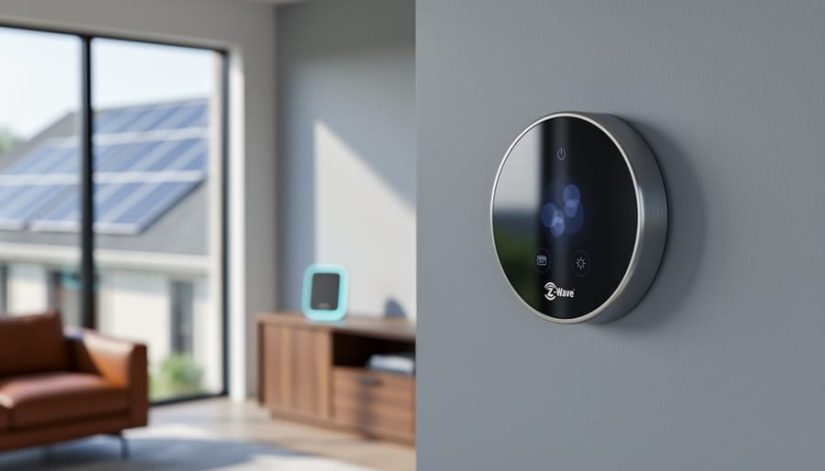
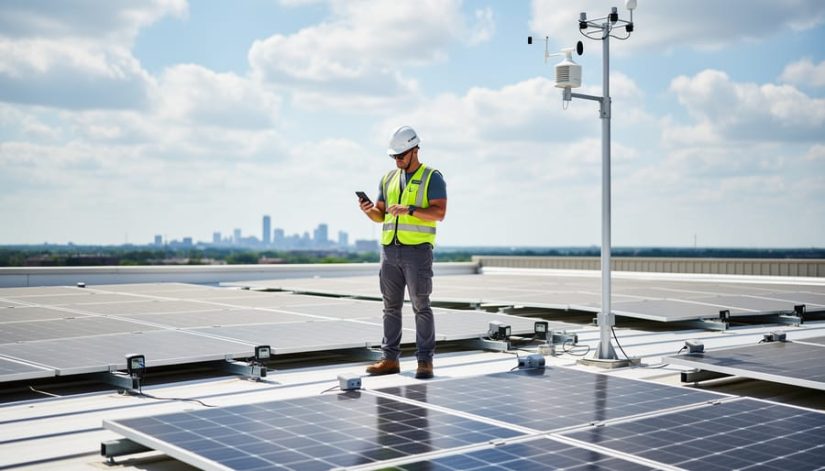
Installation typically involves mounting the battery unit, connecting it to your existing electrical panel, and integrating it with any solar panels you may have. Smart monitoring systems allow you to track energy flow and optimize storage capacity for network stability. Many Illinois utilities now offer incentives for energy storage installations, making this an ideal time to invest in local power independence while contributing to a more resilient, decentralized internet infrastructure.
The convergence of decentralized energy and internet infrastructure presents a compelling vision for Illinois’s future. As our communities increasingly adopt solar power systems and energy storage solutions, we’re laying the groundwork for a more resilient and independent network infrastructure. Local microgrids, powered by renewable energy, can serve as the backbone for neighborhood-based internet nodes, creating a self-sustaining system that remains operational even during widespread outages.
This combined approach offers Illinois residents and businesses multiple advantages: reduced dependency on centralized power and internet providers, enhanced data privacy through distributed storage, and increased community resilience during emergencies. The integration of solar power with decentralized internet nodes means that communication networks can remain active even when traditional infrastructure fails, providing crucial connectivity during critical situations.
Looking ahead, the potential for Illinois communities to establish their own energy-internet ecosystems is becoming increasingly viable. As battery technology improves and solar installations become more widespread, the foundation for truly decentralized internet infrastructure grows stronger. While challenges remain in terms of implementation and coordination, the path forward is clear: by combining renewable energy solutions with distributed internet technology, we can create a more sustainable, reliable, and independent digital future for Illinois residents and businesses.
For communities considering this transition, the time to start planning is now. The technological pieces are already in place, and with proper coordination and community support, a decentralized internet powered by renewable energy isn’t just possible – it’s becoming inevitable.