
Gravity Energy Storage: The Simple Solution Making Solar Power More Reliable
Harness the untapped potential of gravity-based energy storage solutions – a groundbreaking technology that’s revolutionizing how Illinois businesses and homeowners store renewable energy. Unlike traditional batteries, gravity storage systems lift heavy weights during excess energy production and lower them to generate power when needed, offering decades of reliable operation without chemical degradation. This mechanical approach to energy storage perfectly complements solar installations across Illinois’s varied climate, providing consistent power through extreme weather events and grid outages. With operating costs up to 50% lower than conventional battery systems and minimal environmental impact, gravity storage represents the next evolution in sustainable energy independence for forward-thinking Illinois property owners.
How Gravity Energy Storage Works
The Physics Behind the Power
Gravity energy storage works on a simple yet powerful principle that we all experience daily: potential energy. When you lift an object, you’re giving it potential energy – think of lifting a heavy weight to a shelf. This stored energy can later be converted back into usable power.
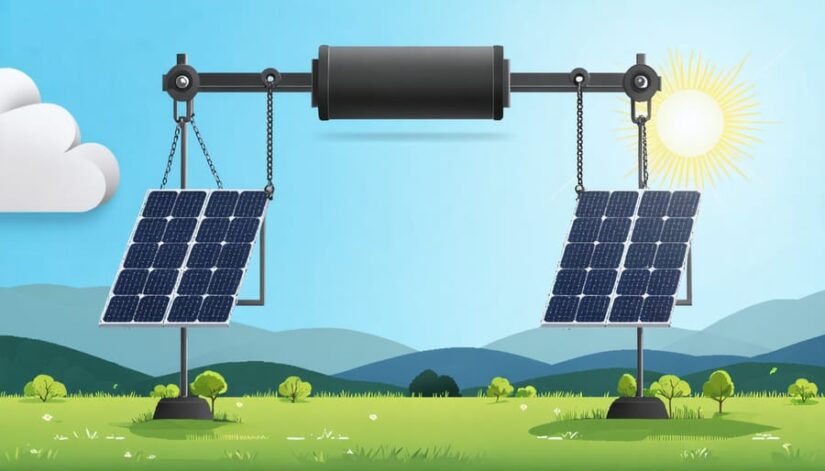
In a gravity storage system, excess solar energy is used to lift heavy weights or pump water to a higher elevation during sunny periods. When the weights descend or water flows down, they turn specialized generators, converting that stored potential energy back into electricity. This process follows the same principle that powers hydroelectric dams, just on a smaller scale.
The amount of energy stored depends on two main factors: the weight of the mass being lifted and the height it’s raised to. For example, lifting a 1,000-pound weight 30 feet stores enough energy to power several home appliances for hours. This straightforward physics makes gravity storage systems highly reliable and predictable, with minimal energy loss during the storage process.
Key Components and System Design
Gravity energy storage systems consist of several essential components working together to store and release energy efficiently. The primary element is the lifting mechanism, typically comprising motors and pulleys, which raises heavy weights during periods of excess energy production. These weights, often made from concrete or other dense materials, can range from several tons for residential systems to thousands of tons for utility-scale installations.
The descent control system is equally crucial, featuring sophisticated braking mechanisms and generators that convert the gravitational potential energy back into electricity. Most systems include smart controllers that monitor grid demand and automatically manage the raising and lowering of weights for optimal energy distribution.
The support structure must be engineered to handle substantial loads safely, whether using existing buildings, purpose-built towers, or underground shafts. Modern gravity storage systems also incorporate safety features like emergency brakes and backup power supplies. The entire system is managed by advanced software that coordinates with your solar installation to ensure seamless energy management throughout the day.
For maximum efficiency, these systems are designed with minimal friction points and utilize high-durability materials that require little maintenance over their operational lifetime.

Benefits for Illinois Solar Systems
Grid Independence and Reliability
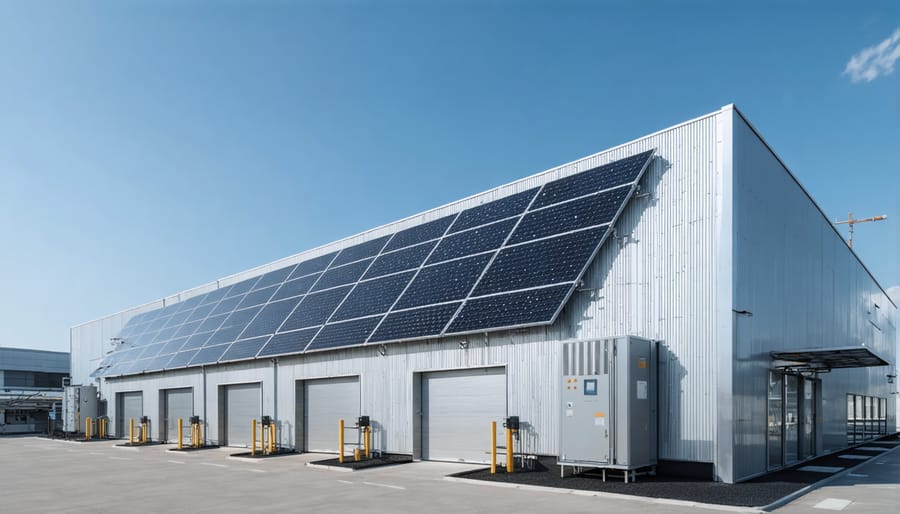
Gravity energy storage systems play a crucial role in creating resilient solar installations by providing a reliable backup power solution that operates independently of the grid. Unlike traditional battery systems, gravity storage remains unaffected by extreme temperature fluctuations common in Illinois, maintaining consistent performance year-round.
This technology enhances system reliability through its simple yet effective mechanical operation. When the grid experiences disruptions or during peak demand periods, gravity storage systems can quickly respond, providing seamless power delivery to homes and businesses. The system’s ability to operate without complex electronics or chemical components significantly reduces maintenance requirements and potential points of failure.
For Illinois property owners, this translates to increased energy independence and reduced vulnerability to grid outages. During severe weather events or grid maintenance, gravity storage systems continue functioning reliably, ensuring critical systems remain operational. The technology’s long operational lifespan, typically 25-30 years, aligns perfectly with solar panel warranties, offering a comprehensive long-term energy solution.
Integration with smart energy management systems allows for automated operation, optimizing power distribution based on usage patterns and grid conditions. This intelligent coordination between solar generation and gravity storage creates a robust, self-sufficient energy ecosystem that maintains stability regardless of external factors.
Cost Savings and ROI
Gravity energy storage systems offer compelling economic advantages that make them an attractive investment for both homeowners and businesses in Illinois. The initial setup costs are typically offset by significant long-term savings, with most systems showing a positive return on investment within 5-7 years of installation.
These systems excel in cost efficiency due to their simple mechanical nature and minimal maintenance requirements. Unlike chemical batteries that need replacement every 8-10 years, gravity storage systems can operate for 20-25 years with only basic upkeep, substantially reducing lifetime operational costs.
When paired with solar installations, gravity storage systems can help maximize energy savings by storing excess power during peak production hours and releasing it during high-demand periods. This load shifting capability can reduce electricity bills by 30-40% for many Illinois property owners, especially those subject to time-of-use pricing.
The systems also qualify for various federal and state incentives, including the Investment Tax Credit when installed alongside solar panels. Additionally, some utility companies offer rebates for energy storage solutions, further improving the financial proposition.
For commercial installations, gravity storage systems can significantly reduce demand charges, which often make up 30-50% of industrial electricity bills. The predictable nature of gravity storage also makes it easier to calculate ROI and plan for long-term energy costs, providing businesses with better financial forecasting capabilities.
Integration with Existing Solar Systems
Installation Requirements
Installing a gravity energy storage system requires careful consideration of several key factors. First, you’ll need adequate vertical space – typically a minimum of 20 feet in height for residential systems and significantly more for commercial applications. The structure must be capable of supporting both the system’s weight and dynamic loads during operation.
Your property’s foundation needs professional assessment to ensure it can handle the concentrated weight of the storage system. Most installations require reinforced concrete foundations or significant structural modifications to existing buildings. The system must also comply with local building codes and grid interconnection requirements.
Technical prerequisites include three-phase power availability for larger systems, appropriate electrical infrastructure, and a compatible solar inverter system. The installation area should be protected from extreme weather conditions and provide easy access for maintenance.
For optimal performance, the system needs integration with smart controls and monitoring equipment. This includes sensors, automated control systems, and safety mechanisms. Professional installation by certified technicians is essential to ensure proper setup and calibration of all components, maximizing system efficiency and longevity while maintaining safety standards.
Maintenance and Longevity
Gravity energy storage systems are known for their exceptional durability and minimal maintenance requirements, making them a reliable long-term investment. The core components, primarily consisting of weights, pulley systems, and mechanical elements, are built to last for decades with proper care.
Regular maintenance typically involves annual inspections of the lifting mechanism, checking cable integrity, and ensuring the guide system remains properly aligned. The weights themselves, often made from concrete or other durable materials, require minimal attention beyond periodic visual inspections for structural integrity.
The system’s longevity is enhanced by its simple mechanical nature, with fewer points of failure compared to chemical battery storage solutions. Most systems are designed to operate effectively for 25-30 years, though many components can last even longer with proper maintenance.
For optimal performance, it’s recommended to schedule professional inspections every 12-18 months. These checkups typically include:
– Lubrication of moving parts
– Safety system verification
– Structural integrity assessment
– Performance optimization adjustments
– Cable and pulley wear evaluation
With proper maintenance, gravity storage systems can provide reliable energy storage capabilities while maintaining consistent performance levels throughout their operational lifetime.
Real-World Applications
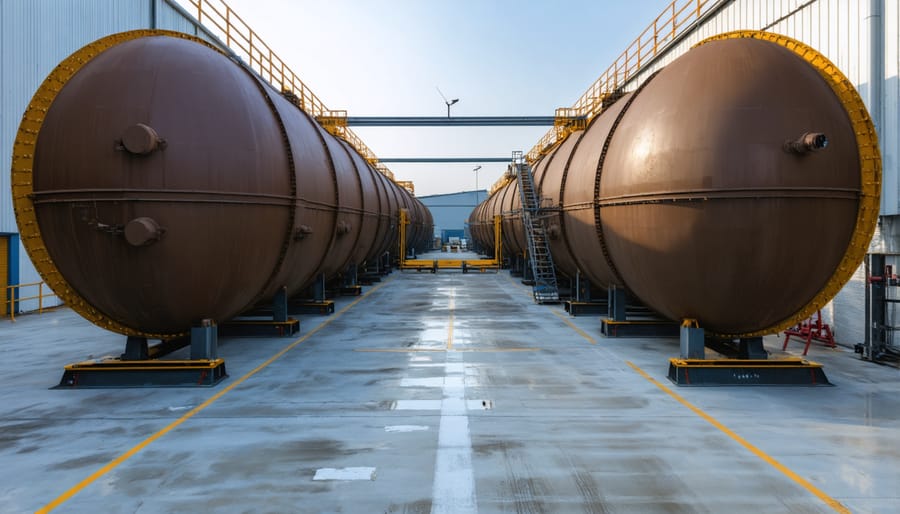
Several innovative gravity energy storage projects are already proving their worth across the United States. In Joliet, Illinois, a manufacturing facility implemented a crane-based gravity storage system in 2022, successfully reducing their peak energy demand by 30% while maintaining consistent power for their operations during grid fluctuations.
Energy Vault, a leading provider of gravity storage solutions, completed a notable project in California that uses recycled concrete blocks and automated crane systems. This installation provides up to 35MWh of storage capacity, demonstrating how gravity storage can work at utility scale.
In Minnesota, a pilot project utilizing abandoned mine shafts for underground gravity storage has shown promising results. The system uses excess solar energy to lift heavy weights during peak production hours and generates power by lowering them during periods of high demand.
Closer to home, a Chicago-based warehouse facility integrated a smaller-scale gravity storage system with their existing solar installation in 2021. This combination has helped them achieve near-complete energy independence during summer months and maintain operations during grid outages.
These successful implementations showcase how gravity storage systems can be adapted to various scales and settings, from industrial facilities to commercial buildings, providing reliable energy storage solutions that complement solar power systems while avoiding the environmental concerns associated with traditional battery storage.
Gravity energy storage systems represent a promising solution for Illinois’s growing renewable energy landscape. By harnessing the fundamental force of gravity, these systems offer a reliable, environmentally friendly way to store excess solar power for use during peak demand or cloudy periods. Their scalability makes them suitable for both residential installations and larger commercial operations across the state. While the technology is still evolving, its potential to enhance grid stability and increase renewable energy adoption makes it an important consideration for Illinois’s sustainable future. As solar installations continue to grow throughout the state, gravity storage systems could play a crucial role in ensuring consistent power delivery and maximizing the return on investment for solar energy systems.
