
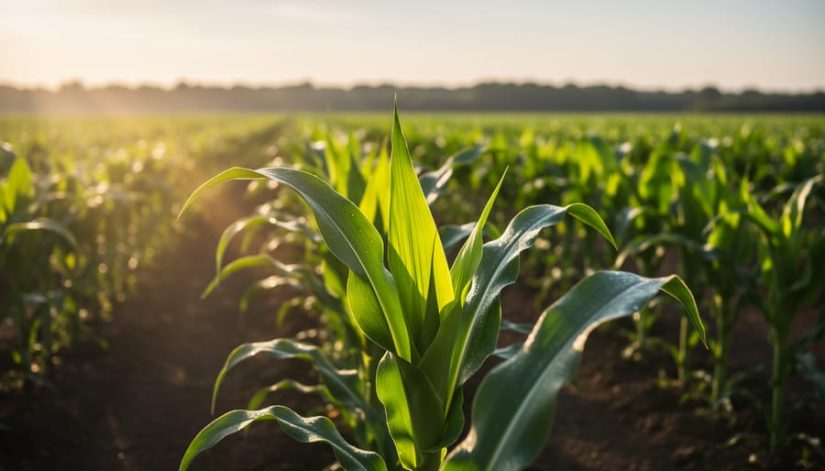
Is Biomass a Renewable Source of Energy? What It Is and How It Works
Yes, biomass is a renewable energy source. Biomass is organic material from plants, crops, wood, and waste that can be burned or converted into heat, electricity, or fuel. It counts as renewable because the plants that supply it can be regrown in a single growing season or a few decades, unlike coal, oil, or natural gas, which take millions of years to form.
That quick answer has some nuance, and it matters for anyone weighing their energy options. How the feedstock is sourced, how fast it’s replaced, and how it’s used all shape how clean and sustainable biomass really is. In Illinois, where corn, soybeans, and other farm output generate plenty of residue, biomass already plays a practical role in local energy conversations.
This article explains what biomass is, how it works, the main feedstock types, and where it’s used today. As a locally owned company with deep expertise in solar energy, we’ll also show how biomass compares with other renewable options, so you can decide what fits your home, business, or operation best.
What Biomass Means in Plain Language
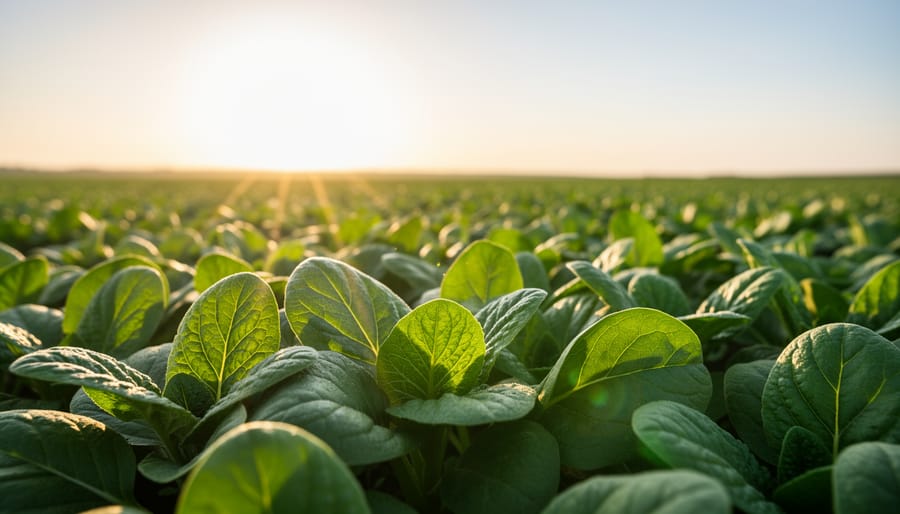
Biomass is organic material that comes from plants and animals and holds stored energy. Think of firewood, crop leftovers like corn stalks, wood chips from a sawmill, or even manure from a farm. All of it started with the sun.
Here’s how that works. Plants take in sunlight through photosynthesis and turn it into chemical energy, which they store in their leaves, stems, roots, and grains. When we burn that material, ferment it, or let it break down in a sealed tank, the stored energy comes back out as heat, electricity, or fuel.
People have used this energy source longer than any other. The first wood fires, used for warmth and cooking, were humanity’s original renewable energy. Fossil fuels are a different story. Coal, oil, and natural gas formed from ancient organic matter buried and pressurized over millions of years, so we use them far faster than nature can replace them. Biomass materials can regrow or be replenished within a season, a few years, or a few decades.
A few quick terms make the rest of this article easier to follow:
- Biomass
- Organic material from plants and animals that stores energy originally captured from the sun.
- Renewable energy
- Energy from sources that naturally replenish on a human timescale, such as sunlight, wind, and regrowing plants.
- Feedstock
- The raw organic material, like wood waste or corn residue, that gets turned into energy.
- Carbon cycle
- The natural exchange of carbon between the air, plants, and soil, where growing plants absorb carbon that is released again when they’re used for energy.
- Biofuel
- A liquid fuel, such as ethanol, made from biomass.
- Biogas
- A gas, mostly methane, produced when organic waste breaks down without oxygen.
With those basics in place, the next question is why this energy counts as renewable.
Why Biomass Counts as Renewable (and Where the Fine Print Is)
Biomass earns its renewable label because of how quickly the raw material comes back. Crop residue like corn stalks regrows with every harvest season. Wood waste from sawmills and tree trimming keeps flowing as long as forests are managed and replanted. Dedicated energy crops, such as switchgrass, can be grown and harvested again in a year or two. Fossil fuels, by contrast, took millions of years to form, and we can’t replace them on any timescale that matters to us.
The carbon cycle is the other half of the story. While a plant grows, it pulls carbon dioxide out of the air and locks that carbon into its stems, leaves, and roots. When that material is burned or converted into energy, roughly the same amount of carbon returns to the atmosphere. If new plants grow to replace what was used, they absorb that carbon again, and the loop keeps turning. Fossil fuels work differently, since they release carbon that has been stored underground for ages and add it to the cycle for the first time.
There is some fine print, though, and it’s worth knowing. Whether biomass is truly sustainable depends on how you use it. Responsible sourcing, replanting what is harvested, and converting the material efficiently all shape the result. Waste materials that would otherwise rot or be discarded tend to perform especially well, while sources that take longer to regrow or require heavy transport can fall short. Not every biomass source performs equally, which is why the details matter.
How Biomass Becomes Usable Energy
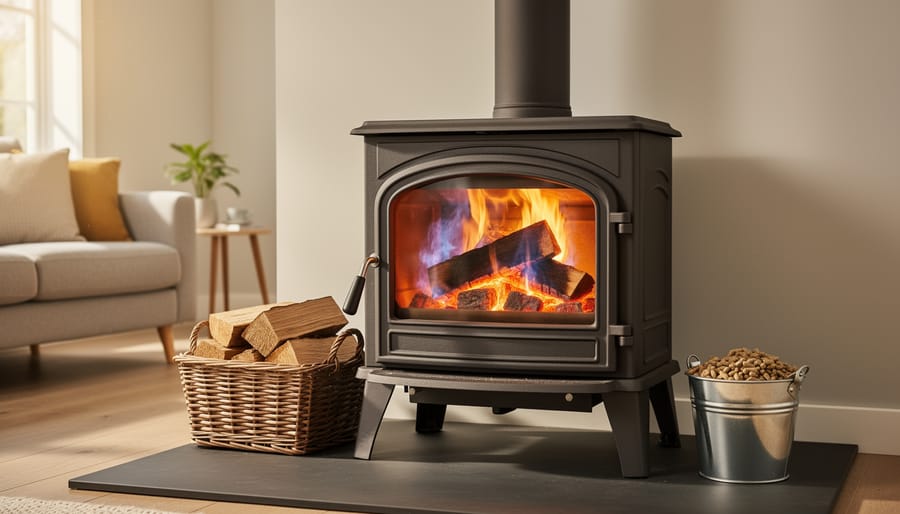
The energy locked inside biomass doesn’t help anyone until it’s released and put to work. There are a few main ways that happens, and each one ends in something familiar: heat, electricity, or fuel.
Direct combustion. This is the oldest method and the simplest. Burning wood, wood chips, pellets, or crop residue releases heat. That heat can warm a building directly, or it can boil water to make steam. The steam then spins a turbine to generate electricity. Many industrial sites use this approach to produce both power and usable heat from the same fuel.
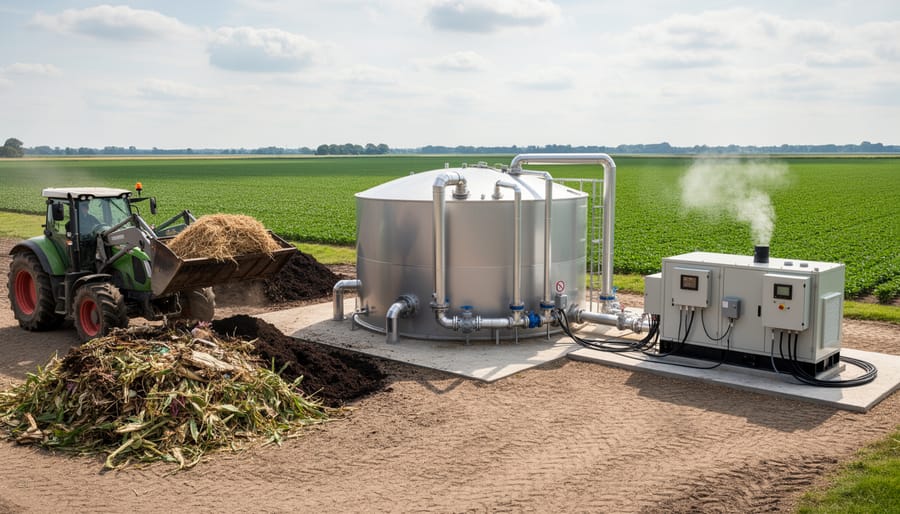
Anaerobic digestion. Here, bacteria break down wet organic material, such as manure, food scraps, or wastewater solids, in a sealed tank without oxygen. The process produces biogas, a mix made mostly of methane. Biogas can fuel a generator, heat a facility, or be cleaned up and used much like natural gas. Farms and wastewater treatment plants often use this method because they already have a steady supply of material.
Fermentation. If you’ve filled up at a gas station in Illinois, you’ve likely used a fermentation product. Yeast converts the sugars in crops like corn into ethanol, a liquid fuel that is blended into gasoline for cars and trucks.
Other conversion methods. Some technologies heat biomass with very little oxygen, a process called gasification or pyrolysis, to produce a fuel gas, oil, or charcoal-like solid. Oils from crops and used cooking grease can also be processed into biodiesel for diesel engines.
Each pathway suits a different kind of material. Dry, woody matter tends to go toward combustion, wet waste toward digestion, and sugary or starchy crops toward fermentation. Matching the right material to the right process is what makes biomass energy efficient, and it’s a big part of what separates a well-run biomass operation from a wasteful one.
Common Types of Biomass Feedstock
Biomass comes from several kinds of organic material, and each one plays a slightly different role. Here are the main categories:
- Wood and wood waste, such as sawdust, bark, and tree trimmings, usually burned for heat or steam.
- Agricultural crops and residues, like corn stalks and soybean stubble, used for heat, power, or fuel production.
- Dedicated energy crops, such as switchgrass or miscanthus, grown specifically to be turned into fuel or electricity.
- Food and organic waste, including leftover produce and kitchen scraps, often converted to biogas.
- Animal manure from livestock operations, commonly digested to produce biogas for on-farm power.
Not every feedstock is equally common in every region. Where you live shapes which materials are easiest to gather and put to use.
In Illinois, crop-based biomass stands out. The state is one of the nation’s leading producers of corn and soybeans, so farm residues are plentiful, and corn-based ethanol is already familiar to many drivers who see it blended into the fuel at the pump. Livestock operations and food processing also create steady streams of manure and organic waste that can feed biogas systems. Energy crops like switchgrass can grow on land that’s less suited to traditional row crops, which gives farmers another option.
Because Illinois has so much agricultural activity, there’s a natural supply of organic material close to where energy is needed. That local availability is a big part of why biomass has a real place in the state’s energy mix, alongside other renewable options.
How Biomass Is Used in Illinois and Beyond
Biomass shows up in more places than most people realize, and Illinois is well positioned to put it to work. With some of the most productive farmland in the country, the state generates a steady supply of corn stalks, soybean residue, and other organic material that can be turned into useful energy.
The most familiar use is heat. Wood pellets and chips fuel boilers and stoves that warm homes, schools, and larger facilities. At industrial sites, combined heat and power systems burn biomass to produce steam and electricity at the same time, so very little of the energy goes to waste. That’s a good fit for sawmills, food processors, and other operations that already generate organic byproducts.
Biogas is another practical option. On farms, manure breaks down in sealed digesters and releases methane that can run generators or heat buildings. Wastewater treatment plants do something similar with the solids they collect, turning a disposal challenge into on-site power.
Then there’s ethanol. Illinois is a major corn producer, and ethanol made from that corn is blended into the gasoline many drivers already use at the pump.
Biomass isn’t meant to do everything on its own. Natural gas, nuclear, coal, wind, and solar all contribute to a reliable grid, and each has strengths that biomass can’t replace. Think of biomass as one dependable piece of a larger, balanced energy picture.
Biomass and Solar: Choosing the Right Renewable Fit
Biomass and solar are both renewable, but they fit different situations. Biomass works best where there’s a steady, nearby supply of organic material, like a farm with crop residue, a sawmill with wood waste, or a facility that handles a lot of food scraps. In those settings, turning what would otherwise be waste into heat or power makes practical sense.
Solar works differently. Instead of gathering and processing a fuel, solar panels turn sunlight directly into electricity right where you use it. There’s no feedstock to collect, store, or truck in, which keeps day-to-day operations simple for most homes and businesses. Illinois gets plenty of sunshine to make this worthwhile, and panels can be installed on a roof, over a parking area, or on open ground with relatively little disruption. If you’re curious about the technology itself, our guide to how solar panels work breaks it down in plain terms.
Neither option is “better” in every case. The right choice depends on your property, your energy needs, and what resources you already have on hand. Before deciding, it helps to understand the solar benefits and limitations that apply to Illinois property owners.
As a locally owned Illinois solar company, Illinois Renewables can help you evaluate whether solar suits your roof or facility, so you can weigh your options with confidence.
Common Questions About Biomass as a Renewable Source
Is biomass cleaner than fossil fuels?
It can be, depending on the source and how it’s used. Biomass releases carbon that plants recently absorbed, while fossil fuels release carbon stored underground for millions of years. Burning it still produces some emissions, so efficient equipment and responsible sourcing matter.
Is burning wood considered renewable?
Generally, yes, as long as the wood comes from sustainably managed forests or from waste like sawdust and trimmings. Trees can be replanted and regrown, but harvesting faster than forests recover undercuts that benefit.
What is the difference between biomass and biofuel?
Biomass is the raw organic material itself, such as crop residue, wood chips, or manure. Biofuel is a fuel made from that material, like ethanol from corn or biogas from digested waste.
Can a homeowner in Illinois use biomass for energy?
Yes, some homeowners heat with wood or pellet stoves. For most households, though, a steady fuel supply and storage space make this less practical than other renewable choices, including solar and wind energy options.
Every property is a little different, so the right renewable fit depends on your space, budget, and goals. Solar is often the simplest place to start for Illinois homes and businesses, since it needs no fuel delivery and very little day-to-day attention once it’s installed. Biomass tends to shine where organic material is already plentiful, like on farms and at processing facilities. If you’re weighing your options, comparing them side by side is a smart first step.
So, is biomass a renewable source? Yes, when it’s sourced responsibly. The crops, wood waste, and organic materials behind it can be regrown or replenished far faster than fossil fuels, which is why it earns its place among renewable options. And it’s a fitting one. People have been burning wood for warmth and cooking for thousands of years, so biomass really is the original renewable energy source, now paired with modern conversion methods.
For Illinois, that story feels familiar. Our farms, fields, and food processors already produce the kinds of materials biomass relies on. Still, every property is different. The best renewable choice depends on your roof, your energy use, and whether you have a steady supply of organic material nearby.
If you’re curious how solar could fit your home or business, we’d love to help. As a locally owned Illinois solar company, Illinois Renewables is happy to answer your questions and talk through your options. Reach out anytime.
