User Experience and Engagement

How Solar Installers Use AR to Solve Rooftop Problems Before Drilling a Single Hole

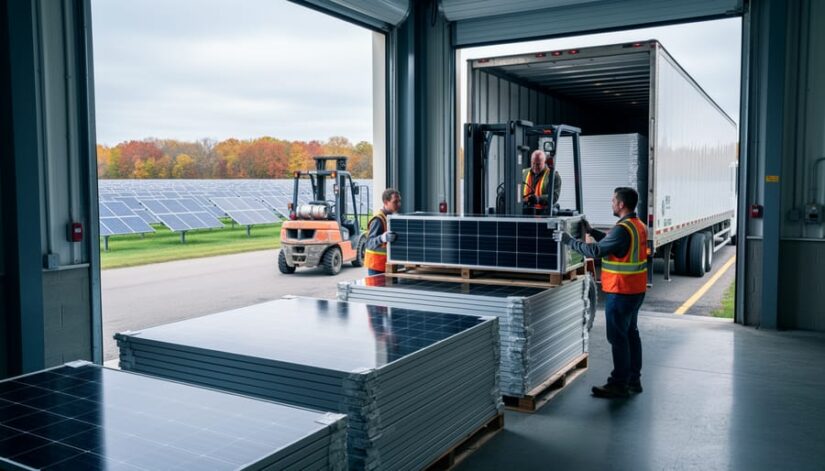
Augmented reality transforms how solar installers see your property before a single panel goes up. By overlaying digital information onto the physical world through tablets or smart glasses, AR technology lets solar professionals visualize panel placement, detect shading issues, and identify structural concerns in real-time—eliminating costly mistakes that traditional methods often miss.
This isn’t science fiction. AR has moved from experimental labs into everyday solar installations across Illinois, solving problems that have plagued the industry for decades. When a solar installer arrives at your home or business, they&#…

Renewable Energy Education

Why Your Kids Need Solar Education Before They Graduate High School

Evaluate K-12 online learning platforms by prioritizing those offering structured renewable energy curricula aligned with Illinois Next Generation Science Standards, ensuring students gain both theoretical knowledge and practical applications of solar technology. Select platforms that include interactive simulations, virtual labs, and real-world case studies demonstrating photovoltaic systems, energy efficiency principles, and grid integration concepts that connect directly to Illinois’s growing clean energy sector.
Choose programs featuring career pathway modules that bridge classroom learning with actual job opportunities in…

Energy Transition Pathways

How Green Finance Is Making Solar Energy Affordable for Illinois Property Owners

The shift to renewable energy hinges on one critical factor often overlooked: access to capital. Green finance transforms energy transition pathways from theoretical possibilities into practical realities by connecting property owners with funding mechanisms that make solar installations financially viable today, not years from now.
Illinois homeowners and businesses face a unique opportunity. State-backed incentives, federal tax credits, and innovative financing models have converged to eliminate …

Renewable Energy Innovations

Why Thermal Energy Keeps Working When Other Sources Stop

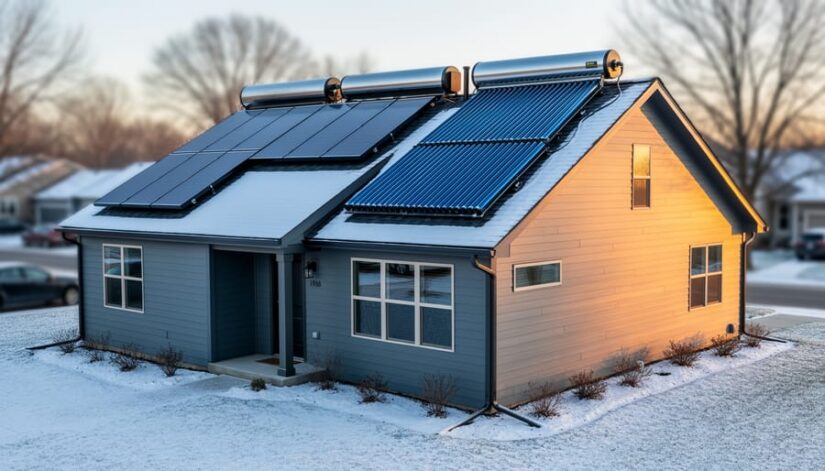
The answer is nuanced: thermal energy itself isn’t renewable, but the sources that generate it can be. When you capture heat from the sun, earth, or other naturally replenishing sources, you’re harnessing renewable thermal energy. Conversely, burning fossil fuels produces thermal energy that’s decidedly non-renewable.
Understanding this distinction matters for Illinois property owners evaluating energy options. Thermal energy represents heat in motion, transferring from warmer to cooler objects. In renewable systems, this heat comes from inexhaustible sources like solar radiation warming panels or geothermal wells …

Local Energy Culture

How Illinois Local Governments Are Making Solar Energy More Affordable for You

Illinois solar policy directly impacts your bottom line, determining how much you’ll save, how quickly you’ll see returns, and what incentives you can access. Understanding these regulations transforms solar from an abstract concept into a concrete financial decision for your home or business.
The state’s renewable energy policies create a framework where solar installations receive substantial support through net metering, which credits you for excess electricity your panels send back to the grid at retail rates. This means your solar system offsets not just daytime usage but evening consumption too, maximizing …

Workforce and Training

Why Your Solar Workforce Needs Digital Sustainability Training (Before They Install Another Panel)

Digital transformation sustainability merges technology-driven training solutions with environmental responsibility, creating workforce development programs that reduce carbon footprints while building essential skills for the renewable energy sector. For Illinois solar companies and businesses committed to clean energy, this approach replaces resource-intensive traditional training methods with digital platforms that eliminate paper waste, reduce travel emissions, and minimize energy consumption.
The solar industry faces a unique challenge: preparing workers for cutting-edge technology installation and maintenance while maintaining…

Installation and Technical Services

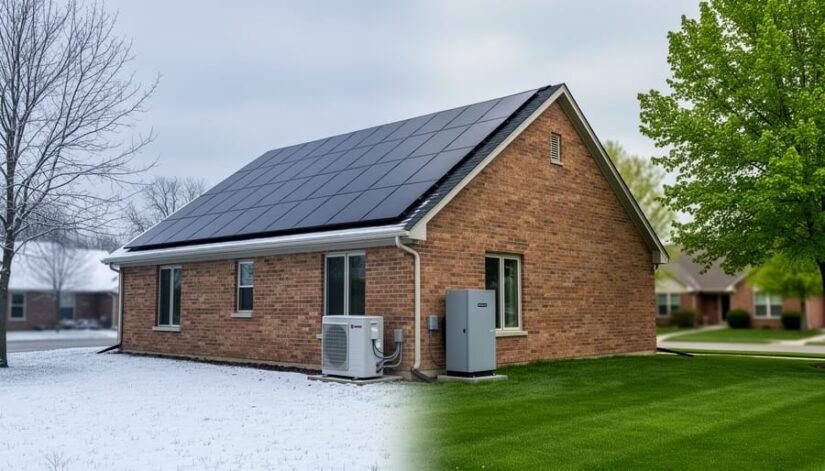
How Solar Systems Keep Illinois Buildings Warm in Winter and Cool in Summer

Illinois property owners face a unique climate challenge: frigid winters demanding substantial heating and sweltering summers requiring aggressive cooling. Solar cooling and heating systems offer a year-round solution that harnesses the sun’s energy to maintain comfortable indoor temperatures while dramatically reducing utility costs. These integrated systems use solar panels to power heat pumps, absorption chillers, or geothermal equipment that efficiently heats your space during January’s subzero days and cools it through July’s humidity. Unlike conventional HVAC systems that rely entirely on expensive grid electricity …

Planning and Assessment

How Solar Energy Actually Affects Your Environment (The Complete Impact Picture)

Solar energy stands as one of the cleanest power sources available, yet understanding its complete environmental footprint helps you make truly informed decisions about installation. While solar panels generate electricity without air pollution or greenhouse gas emissions during operation, the full lifecycle—from manufacturing through disposal—creates environmental considerations that deserve honest examination. Land use, water consumption during production, habitat disruption, and end-of-life waste management all factor into solar’s environmental equation.
The encouraging reality is that solar energy’s environmental…

Renewable Energy Policy Advocacy

How Illinois Homeowners Are Cutting Energy Bills While Fighting Climate Change

Climate change is fundamentally reshaping how Illinois generates and consumes electricity, creating unprecedented opportunities for property owners to reduce costs while contributing to environmental solutions. Rising temperatures, increasingly severe storms, and shifting precipitation patterns across the Midwest have accelerated the state’s transition away from fossil fuels, with Illinois now requiring 50% renewable energy by 2040 through the Climate and Equitable Jobs Act.
For homeowners and business owners throughout Illinois, this policy shift translates directly into financial incentives that make solar energy more …

Historical Energy Perspectives

How Ancient Wood Fires Led to Your Solar Panels: The Complete Energy Evolution Story

Understanding how energy has traveled from its source to power our homes and businesses reveals why modern solar technology represents such a logical advancement for Illinois residents. The 3.5 tracing energy worksheet concept helps students and curious learners follow energy’s path through various transformations—from ancient sunlight trapped in fossil fuels to the electricity flowing through our outlets today.
Trace energy backwards from any electrical device in your home, and you’ll discover a fascinating chain: electricity came from a power plant, which burned fuel or harnessed natural forces, which originally …

Renewable Energy Partnerships

How Renewable Energy Partnerships Are Transforming Power Access in Emerging Markets

Renewable energy partnerships are reshaping how communities access clean power, combining financial resources, technical expertise, and local knowledge to accelerate solar adoption in markets once considered too risky for traditional investment. These collaborative frameworks connect utilities, private investors, government agencies, and local businesses to share both risks and rewards, making large-scale solar projects viable where individual entities would struggle alone.
In Illinois, this partnership model proves particularly effective for property owners seeking solar installations without prohibitive upfront costs. When locally…

Circular Economy and End-of-Life Management

What Happens to Your Old Solar Panels? The Smart Solution for Returns and Reuse

Solar panels reaching the end of their 25-30 year lifespan present a critical challenge that Illinois property owners must plan for today. When your system needs replacement, repair, or disposal, reverse logistics—the process of moving products backward through the supply chain—determines whether those panels become environmental hazards or valuable recycled materials.
Third-party logistics providers (3PLs) specializing in reverse logistics handle the complex journey of decommissioning, transporting, and processing solar equipment. These specialized partners manage everything from safe panel removal and hazardous material …

Client Support and Customer Experience

How Customer Engagement Scores Help Solar Companies Predict (and Prevent) Lost Sales

Track every interaction your potential solar customers make with your business—from website visits and email opens to consultation requests and quote downloads—then assign point values to each action based on its importance. A homeowner who downloads your solar savings calculator and attends a webinar signals stronger buying intent than someone who merely reads a blog post, and quantifying these behaviors creates your customer engagement score.
Calculate engagement scores by weighing recent activities more heavily than older ones, since a business owner who requested a commercial solar quote yesterday is far more likely to …

Energy Systems Resilience

How Demand Response Programs Cut Your Energy Bills While Strengthening Illinois’ Power Grid

Enroll in your utility’s demand response program by contacting ComEd or Ameren Illinois directly to register your home or business, which can reduce your electricity bills by 10-30% annually while supporting grid stability during peak usage periods. Install a smart thermostat that automatically adjusts your cooling or heating by a few degrees during high-demand events, typically lasting 1-4 hours on hot summer afternoons, earning you incentive payments without noticeable comfort loss. Pair

Consumer Energy Advocacy

Why Consumer Advocacy Groups Are Your Best Ally for Understanding Solar Energy

Navigating solar energy decisions requires trustworthy guidance, and consumer advocacy groups exist specifically to protect your interests while educating you about renewable energy options. These organizations serve as independent resources that help Illinois residents and businesses cut through marketing claims, identify reputable solar installers, and understand the true costs and benefits of going solar.
Consumer advocacy groups provide three essential services for prospective solar customers. First, they offer unbiased educational materials that explain solar technology, financing options, and incentive programs without pushing…